
12 Tenses in English Grammar
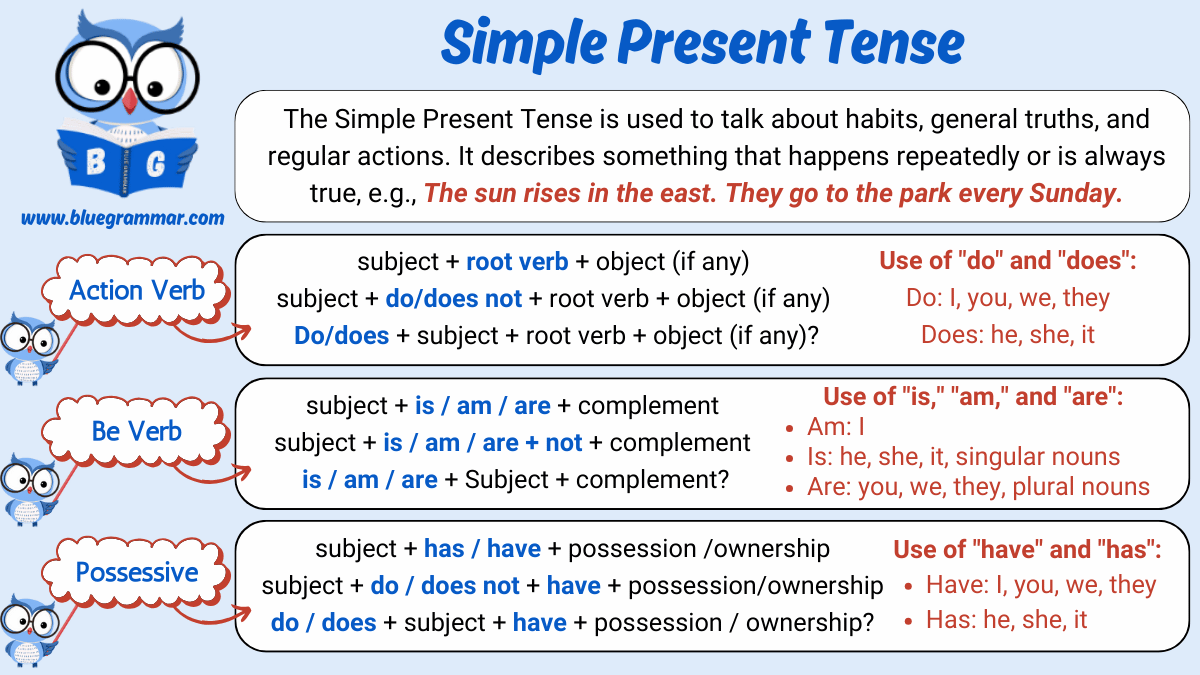
Simple Present Tense
Simple Present Tense talks about daily habits, routines, facts, and things that are generally true.
Continue reading...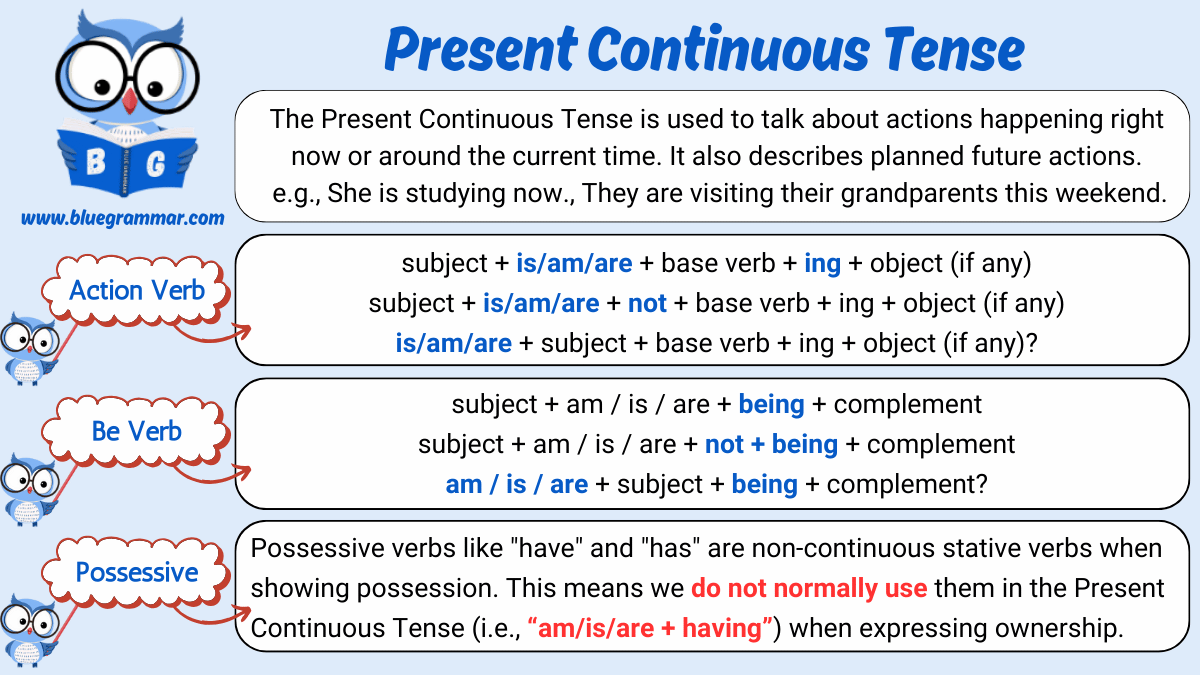
Present Continuous Tense
Present Continuous Tense describes actions taking place right now or around the present time.
Continue reading...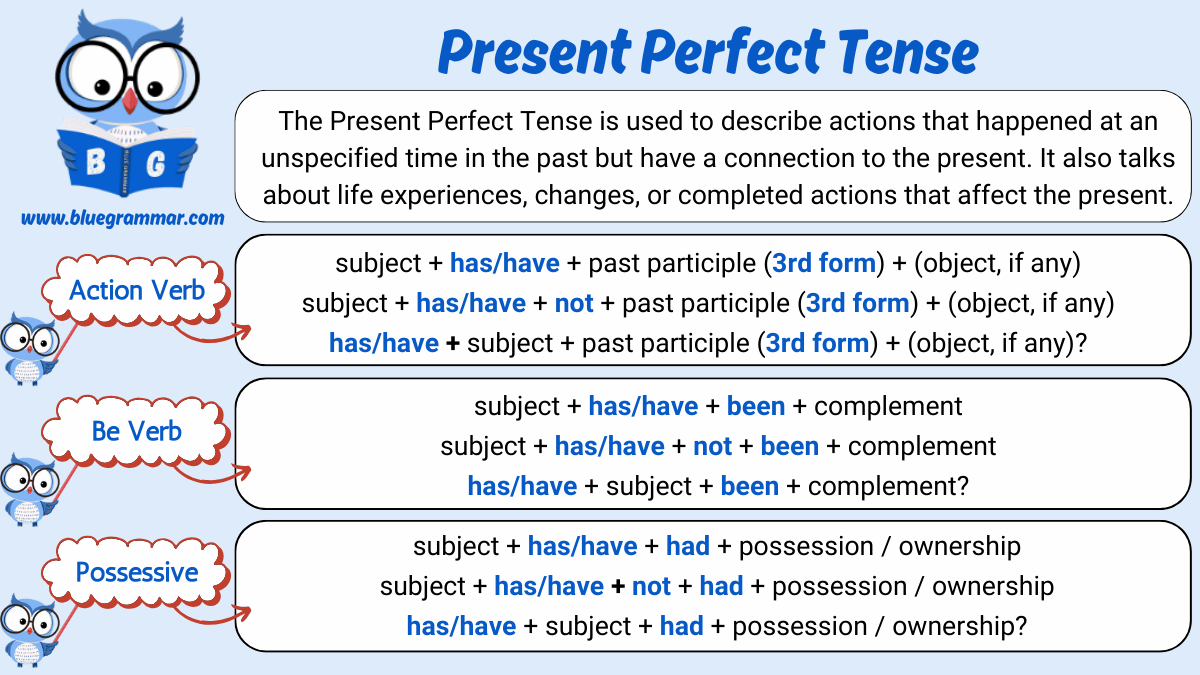
Present Perfect Tense
Present Perfect Tense connects past actions with the present and highlights their present result or importance.
Continue reading...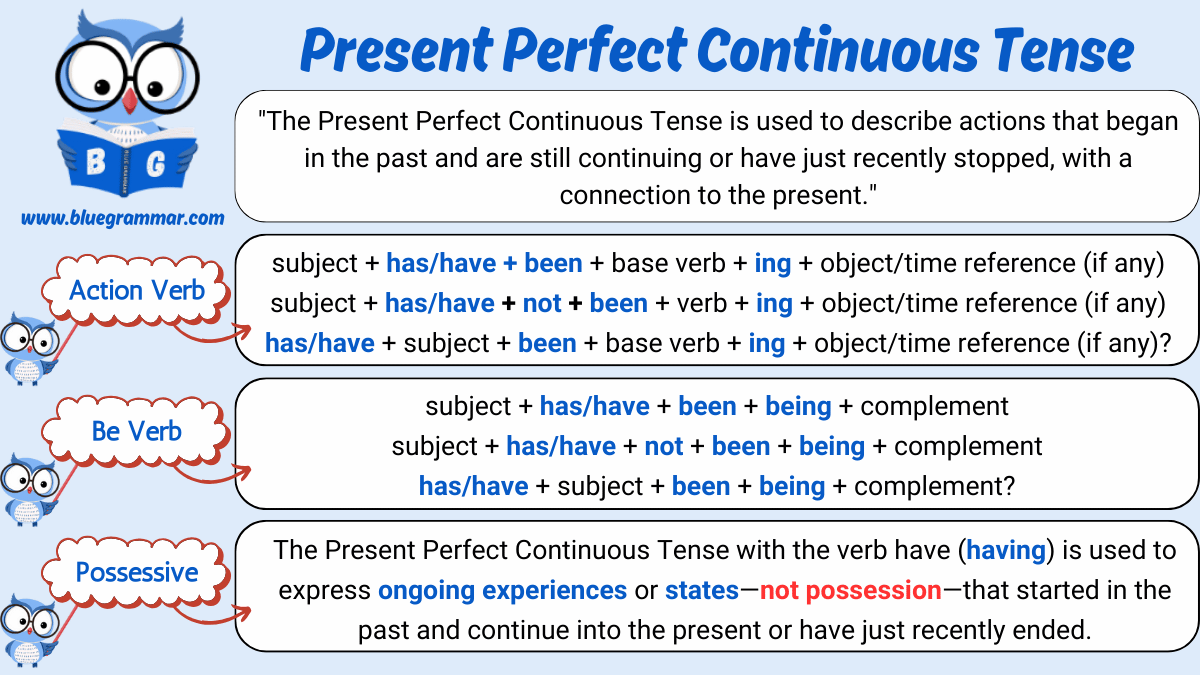
Present Perfect Continuous
Present Perfect Continuous Tense shows that an action started in the past and has continued up to the present.
Continue reading...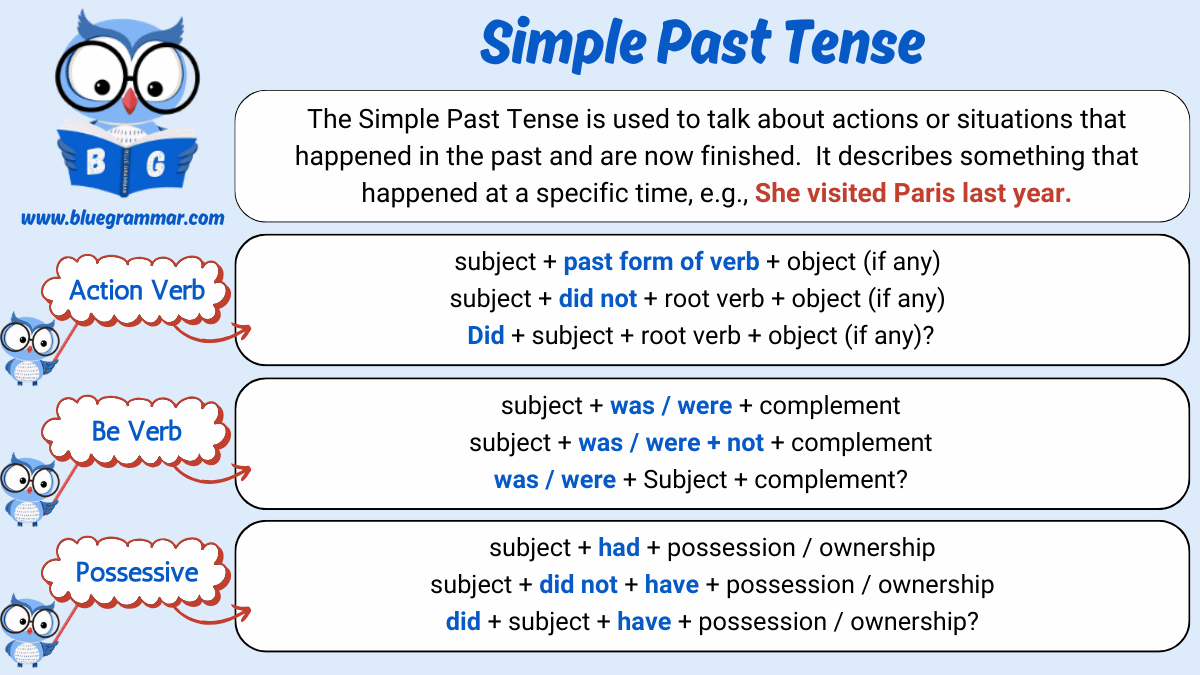
Simple Past Tense
Simple Past Tense tells about actions, events, or situations that happened and ended in the past.
Continue reading...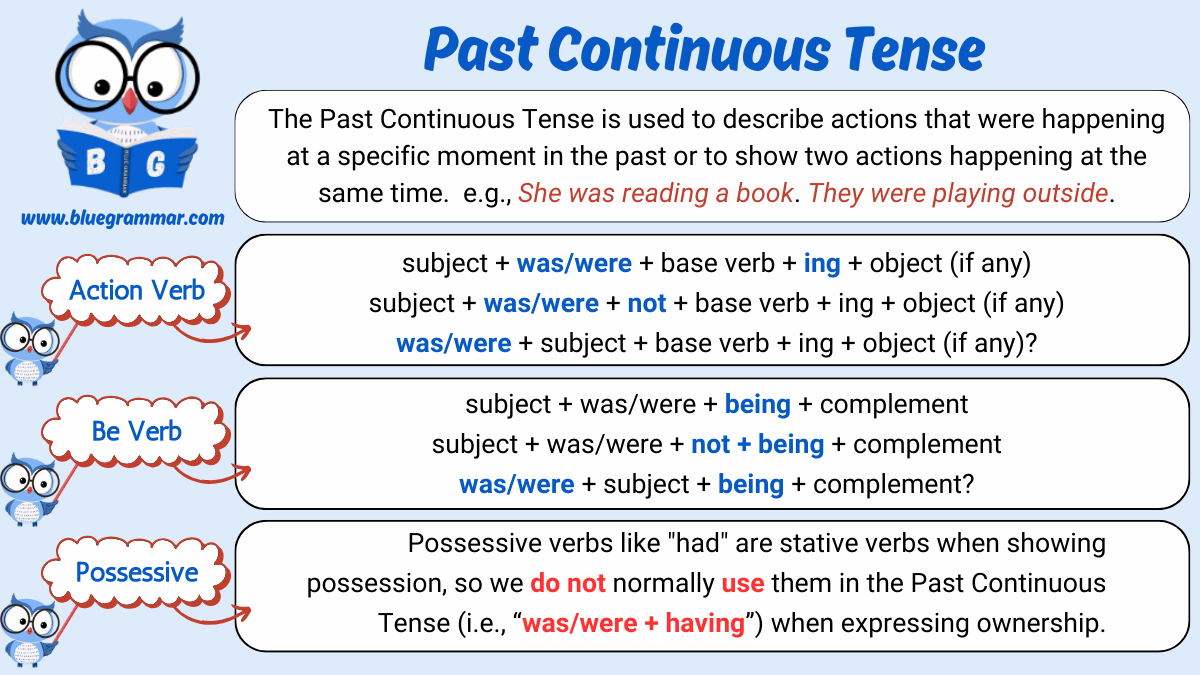
Past Continuous Tense
Past Continuous Tense describes an action that was going on at a particular moment in the past.
Continue reading...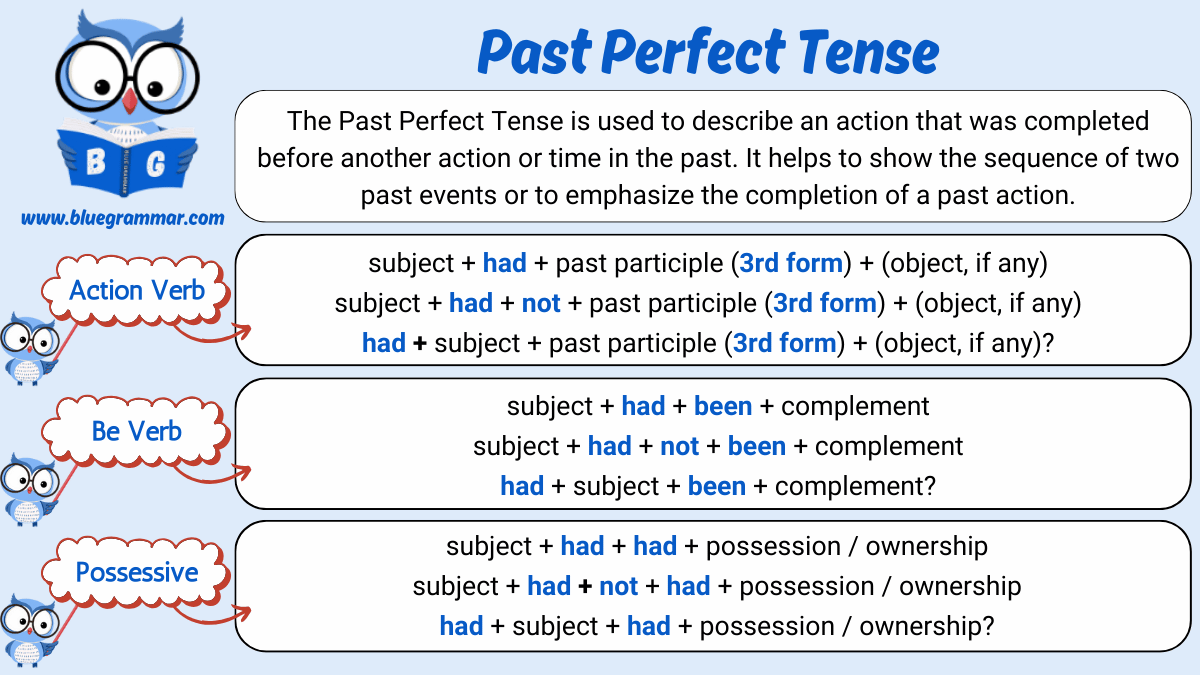
Past Perfect Tense
Past Perfect Tense explains that one past action had finished before another past action occurred.
Continue reading...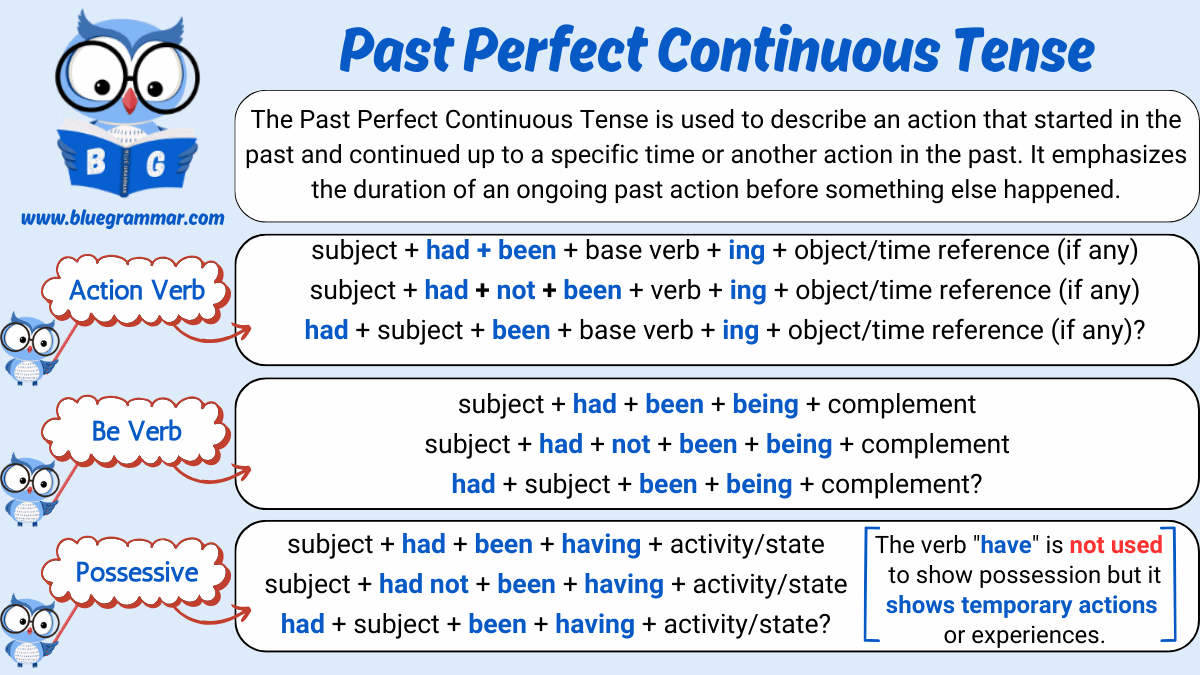
Past Perfect Continuous Tense
Past Perfect Continuous Tense emphasizes how long an action had been continuing before a certain time or event in the past.
Continue reading...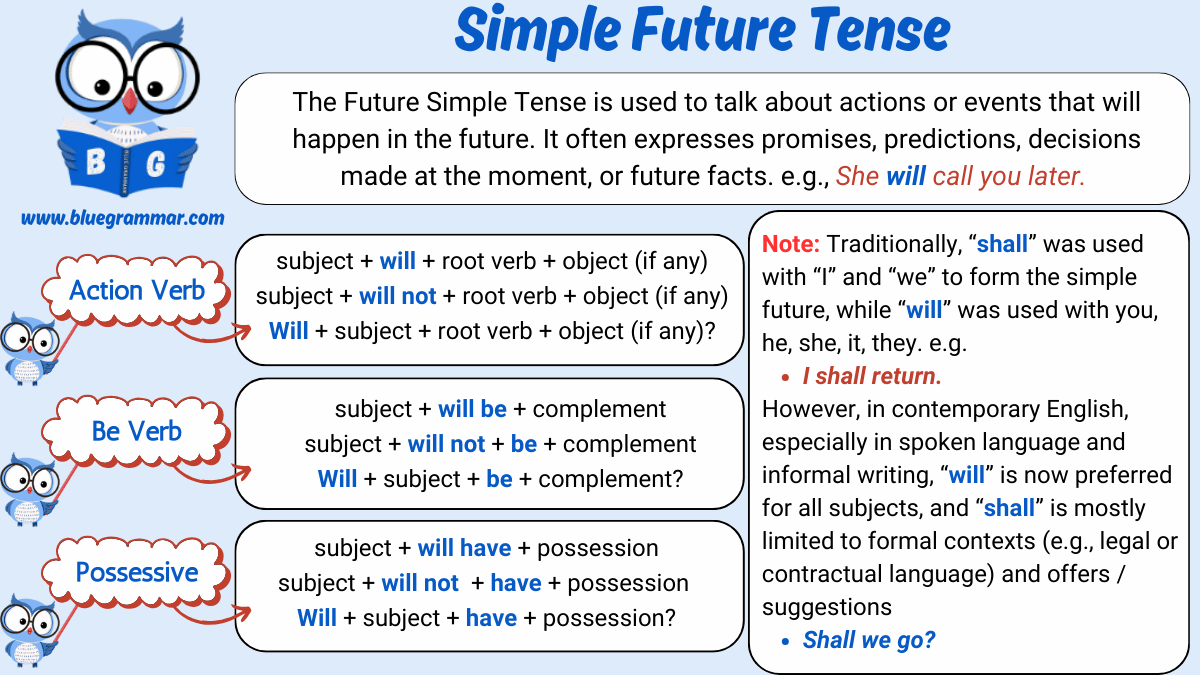
Simple Future Tense
Simple Future Tense is used to express actions, decisions, or promises that will take place in the future.
Continue reading...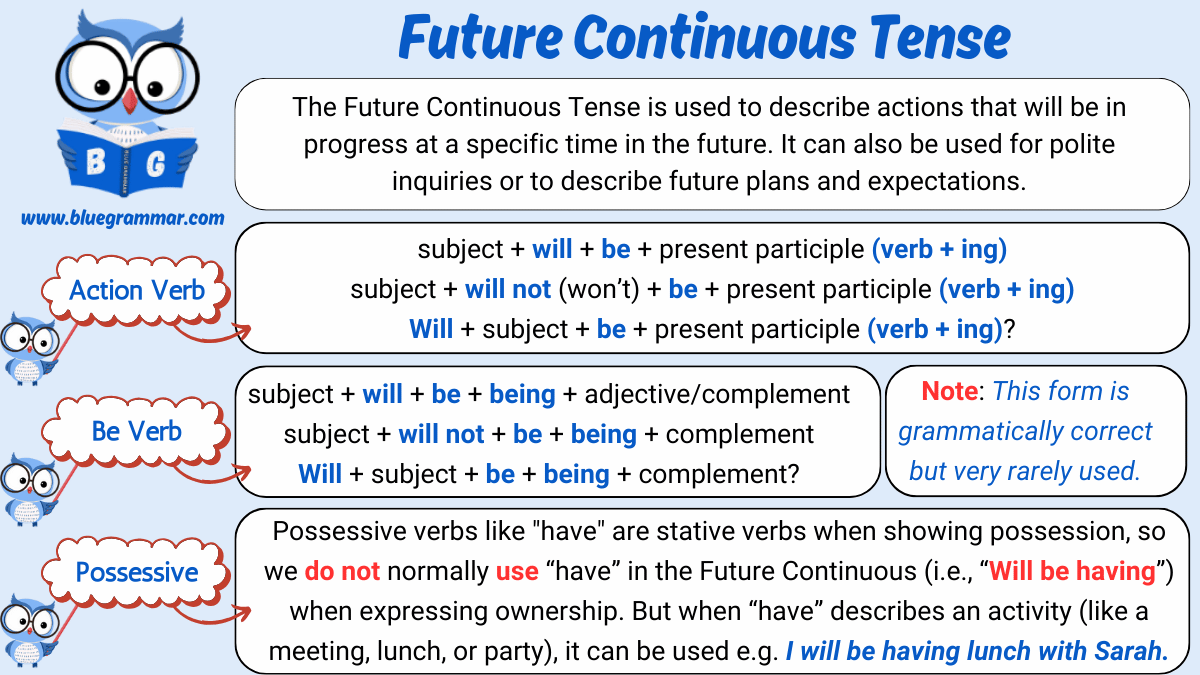
Future Continuous Tense
Future Continuous Tense describes actions that will be ongoing at a specific point in time in the future.
Continue reading...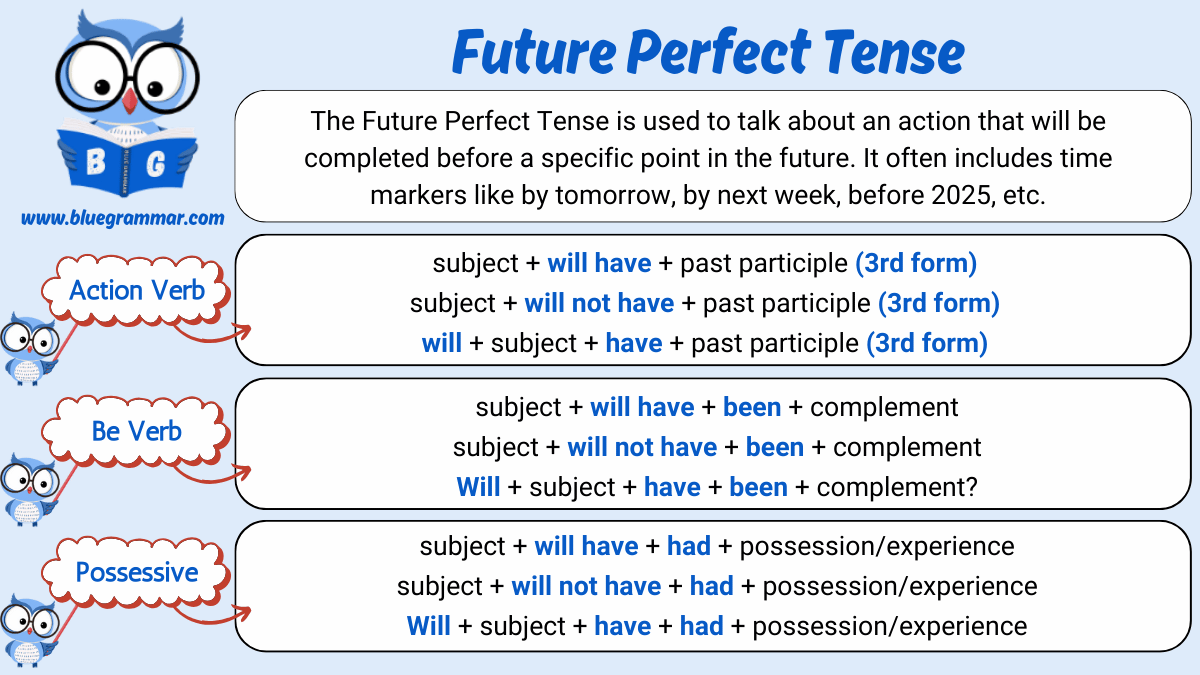
Future Perfect Tense
Future Perfect Tense is used to describe an action that will be completed before a certain time in the future.
Continue reading...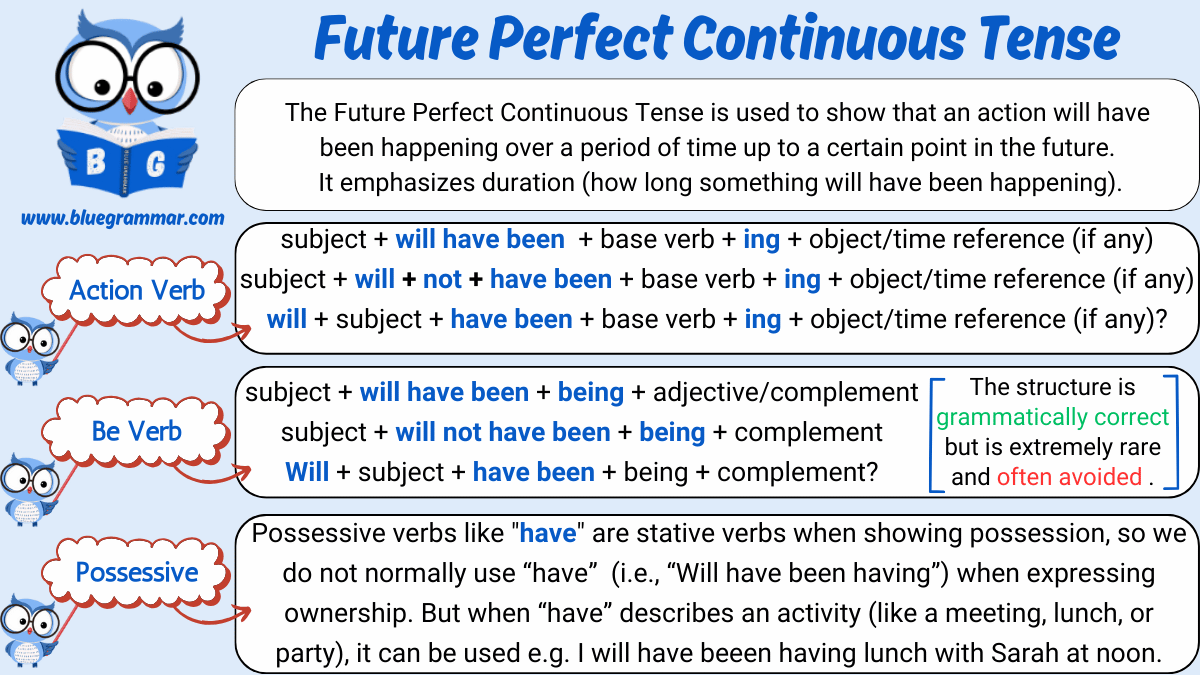
Future Perfect Continuous Tense
Future Perfect Continuous Tense shows that an action will continue over a period of time up to a specific point in the future.
Continue reading...