Latest From Our Blog

Explore our latest articles on English grammar, vocabulary, writing, and language learning.

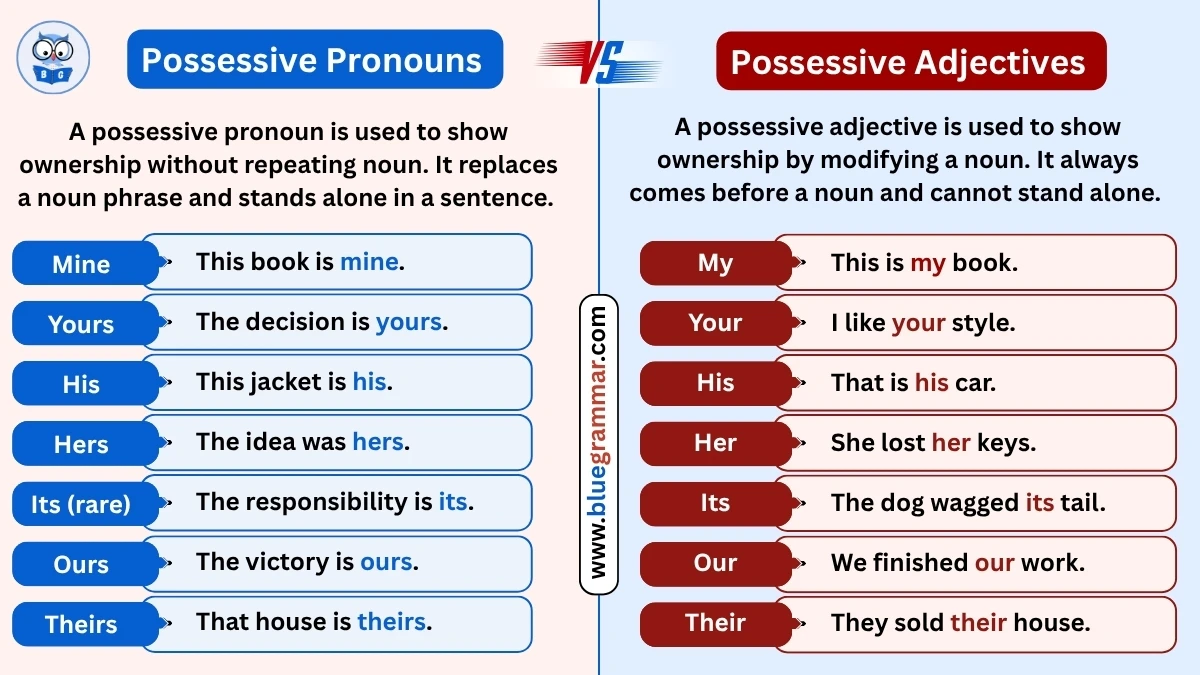
Possessive Pronouns vs Possessive Adjectives (With Examples)

Understanding the difference between possessive pronouns and possessive adjectives is essential for correct sentence structure. Both show ownership or possession, but they are used differently in sentences. <ins class="adsbygoogle" style="display:block" data-ad-client="ca-pub-3566357338441853" data-ad-slot="1898937421" data-ad-format="auto" data-full-width-responsive="true"> (adsbygoogle = window.adsbygoogle || []).push({}); Possessive
Read More

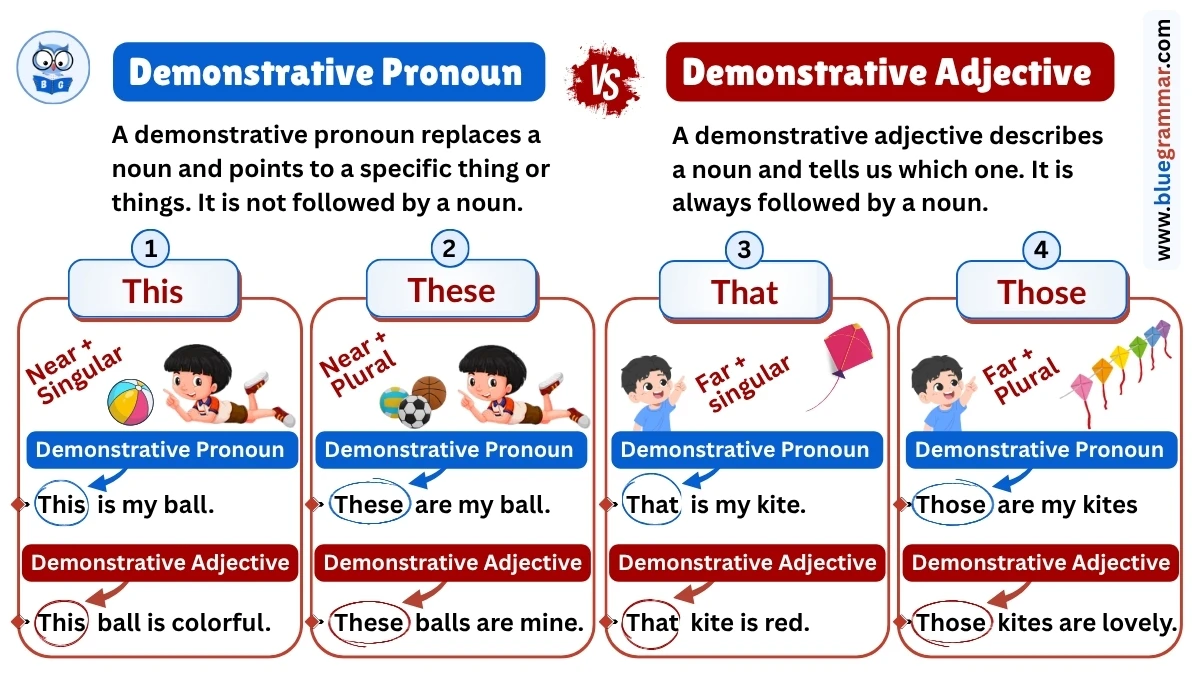
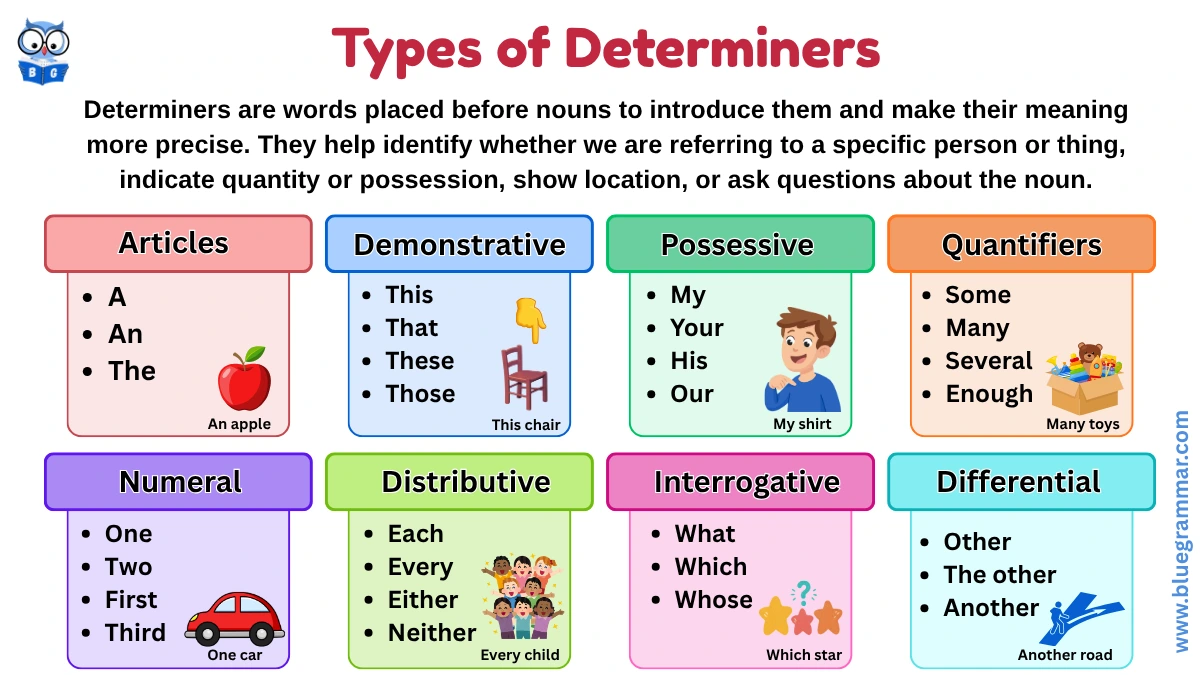
Demonstrative Pronoun vs Demonstrative Adjective

Understanding the difference between demonstrative pronouns and demonstrative adjectives is essential for writing correct and natural English. Although they use the same words— this, that, these, those —their functions in a sentence are different. <ins class="adsbygoogle" style="display:block" data-ad-client="ca-pub-3566357338441853" data-ad-slot="1898937421" data-ad-format="auto"
Read More

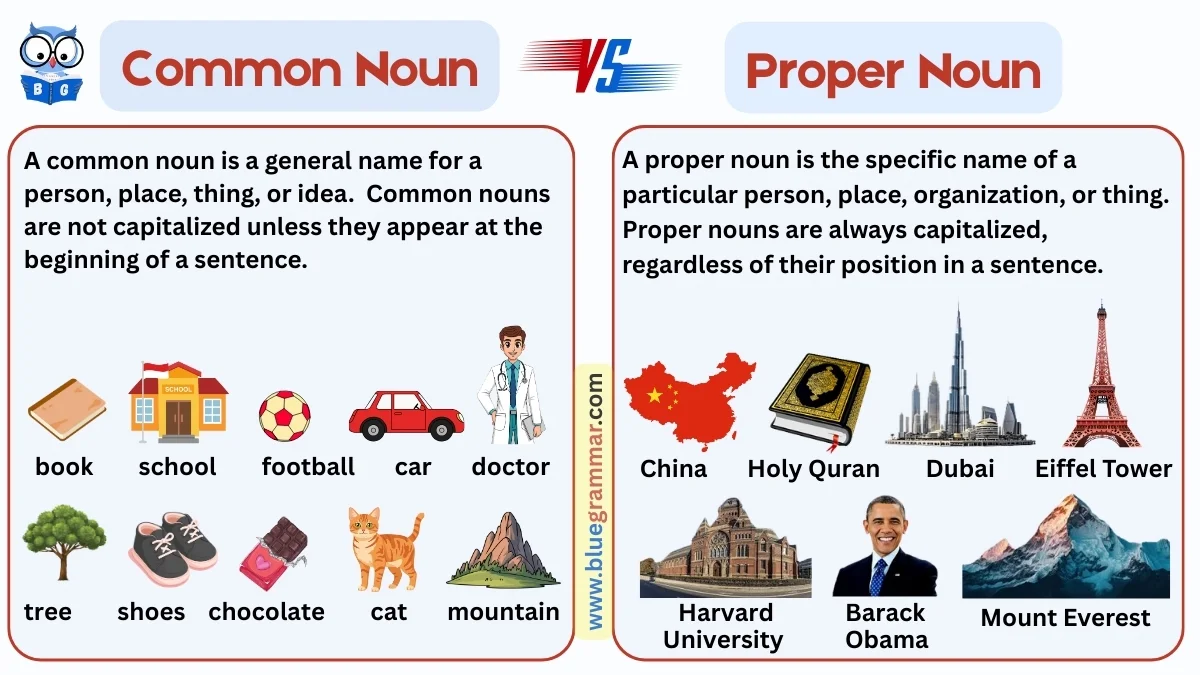
Difference Between Common and Proper Noun with Examples

Understanding the difference between common nouns and proper nouns is one of the most important foundations in English grammar. These two types of nouns help us distinguish between general names and specific names. Although the difference seems simple, correct usage
Read More

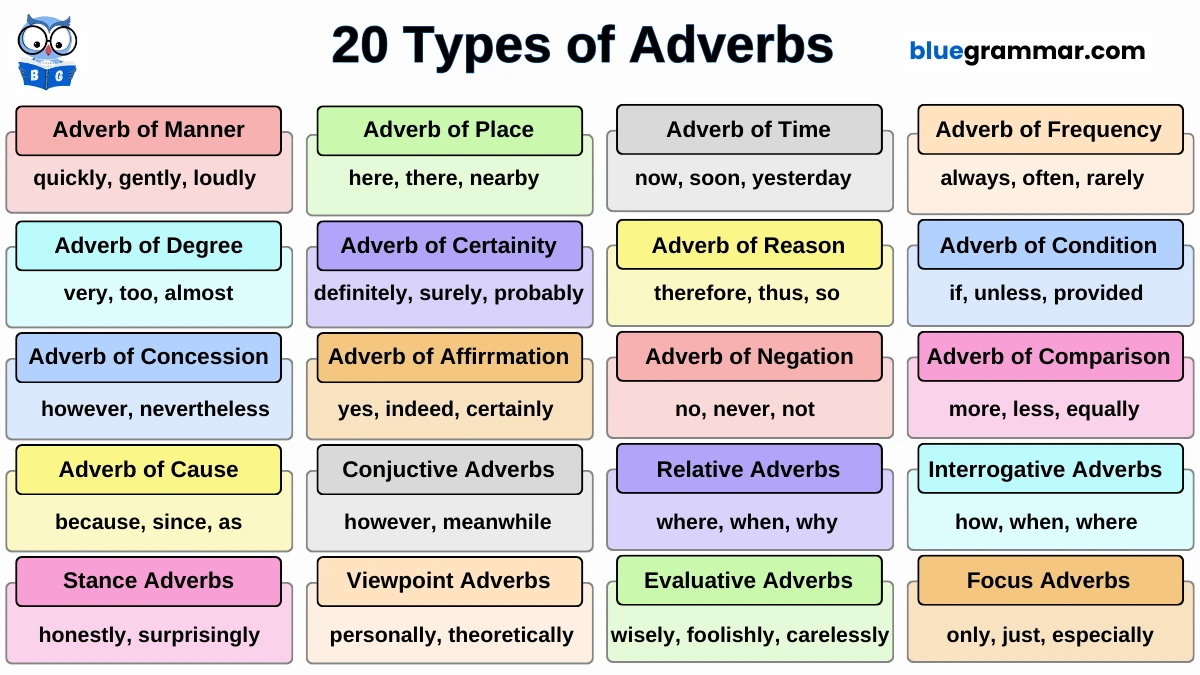
Types of Adverbs in English Grammar (With Examples)

An adverb is a word that modifies a verb, an adjective, or another adverb. It provides us with further information about a verb, adjective, or another adverb. It tells us in what manner, at what place, or at what time something happened or was done.
Read More