Animals and Their Baby Names in English
Learning the specific names used for baby animals is a great way to expand your English vocabulary. Animal young often have unique terms that differ from adult names, making these words essential for reading, nature conversations, and general knowledge. Below is a comprehensive list of animals alongside the correct vocabulary used for their babies.
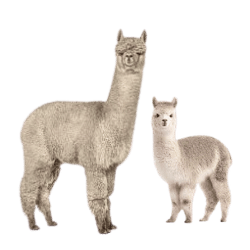
Cria (Alpaca)
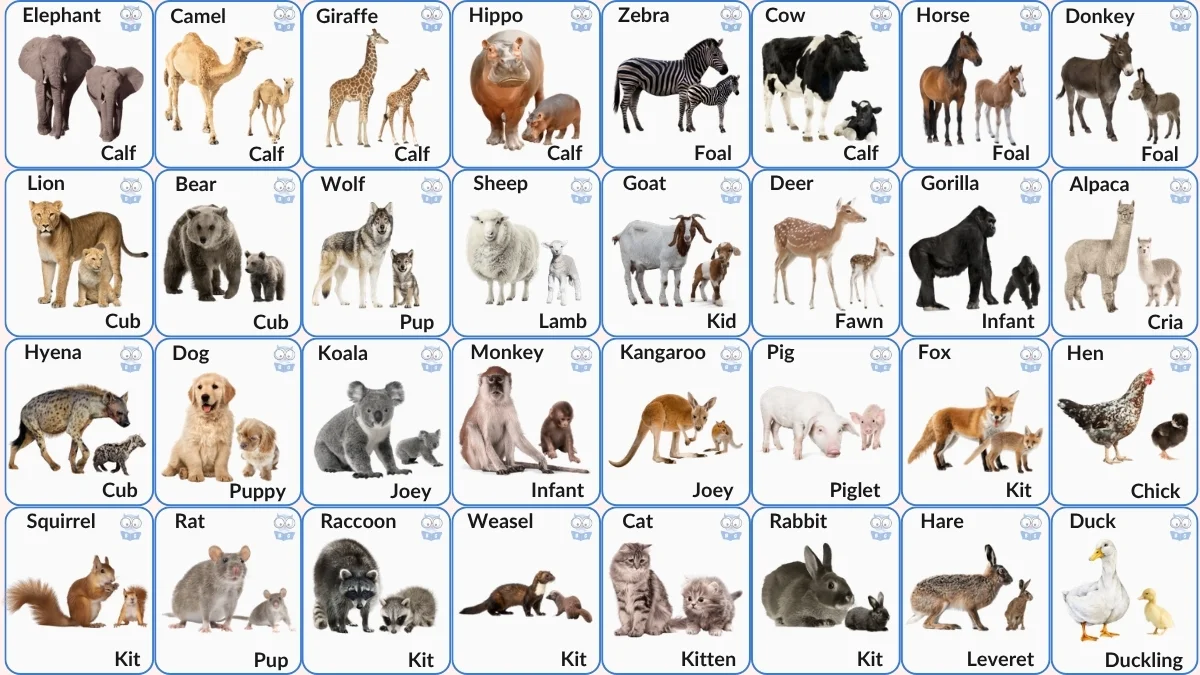
A baby alpaca is called a cria. Crias are typically born during the day and are able to stand and nurse shortly after birth.
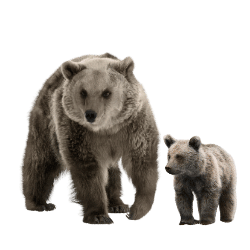
Cub (Bear)
A baby bear is called a cub. Bear cubs are born blind and hairless inside winter dens and rely heavily on their mother's milk to grow quickly.
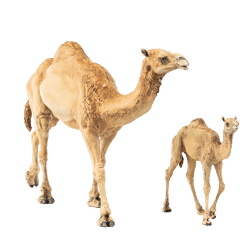
Calf (Camel)
A baby camel is called a calf. Camel calves are born without hard humps and learn to walk alongside their mothers within a few hours of birth.
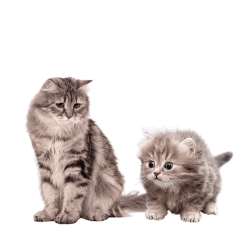
Kitten (Cat)
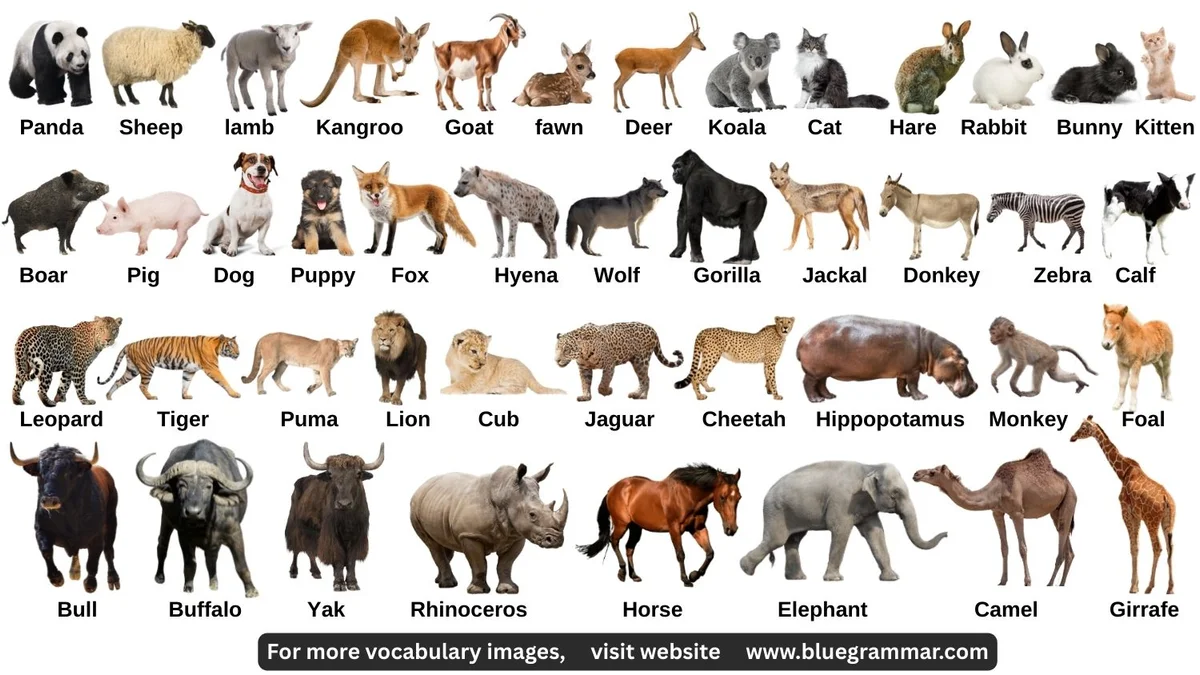
A baby cat is called a kitten. Kittens are playful young felines that depend entirely on their mother during the first few weeks of life.
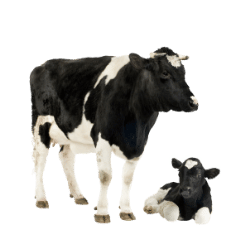
Calf (Cow)
A baby cow is called a calf. Calves are young bovine animals raised on dairy and livestock farms across the world.
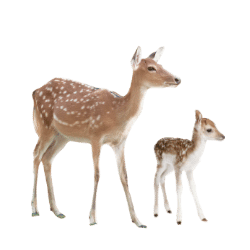
Fawn (Deer)
A baby deer is called a fawn. Fawns often feature light white spots on their coats that help camouflage them in grassy forest habitats.
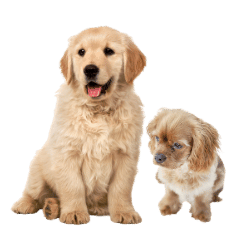
Puppy (Dog)
A baby dog is called a puppy. Puppies are inquisitive young canines known for their energetic behavior and social play.
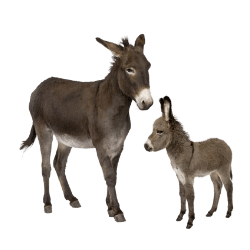
Foal (Donkey)
A baby donkey is called a foal. Donkey foals develop strong bonds with their mothers and learn herd communication early in life.
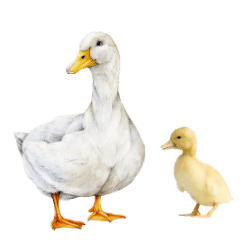
Duckling (Duck)
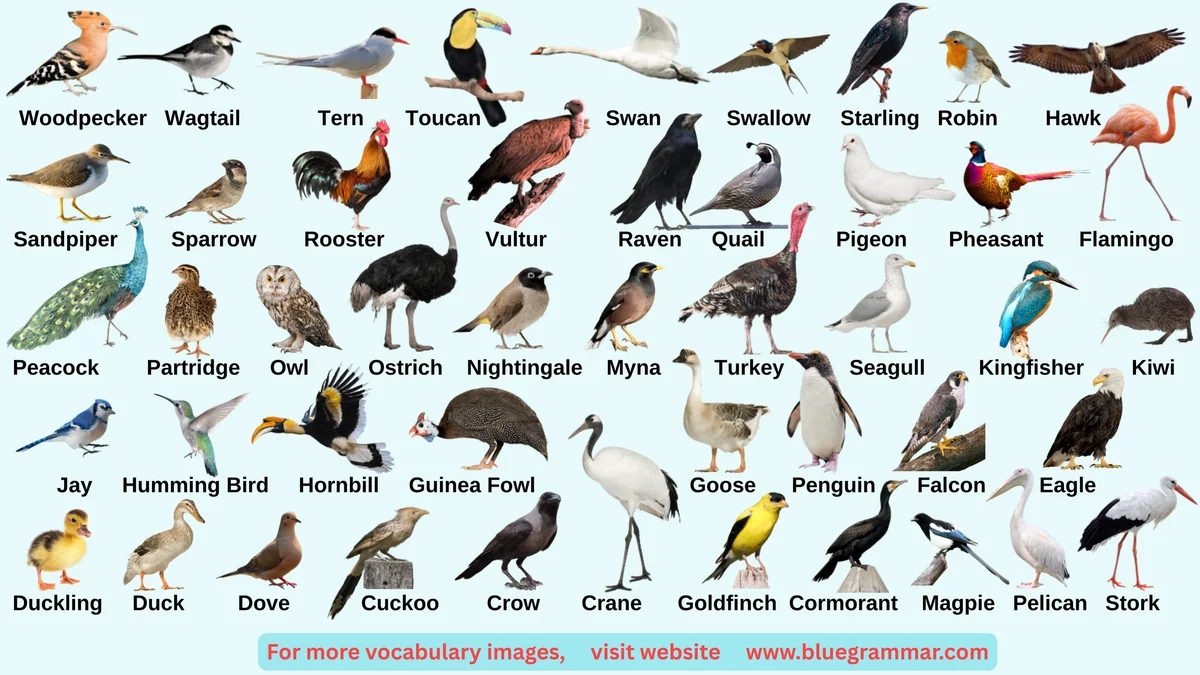
A baby duck is called a duckling. Ducklings hatch covered in soft down feathers and naturally follow their mother into water to swim.
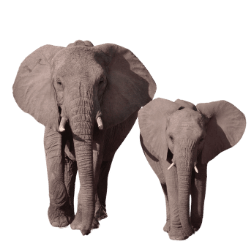
Calf (Elephant)
A baby elephant is called a calf. Elephant calves are protected by the entire maternal herd and gradually learn how to use their trunks over time.
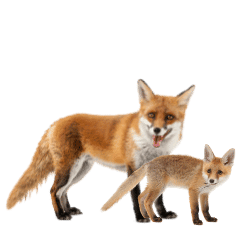
Kit (Fox)
A baby fox is called a kit (or cub/pup). Kits grow up inside underground dens where both parents help care for and feed them.
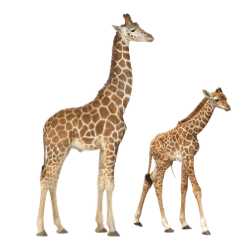
Calf (Giraffe)
A baby giraffe is called a calf. Giraffe calves stand tall even at birth and can run within hours to stay close to their mothers.
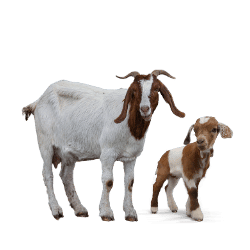
Kid (Goat)
A baby goat is called a kid. Goat kids are energetic, curious, and famous for their agility and playful jumping.
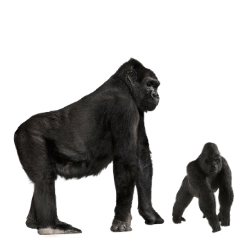
Infant (Gorilla)
A baby gorilla is called an infant. Gorilla infants cling tightly to their mother's fur for transport and safety during their early months.
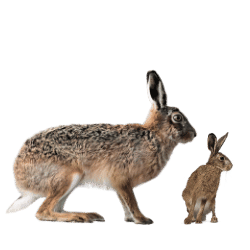
Leveret (Hare)
A baby hare is called a leveret. Leverets are born fully furred with open eyes, allowing them to remain well-hidden from predators.
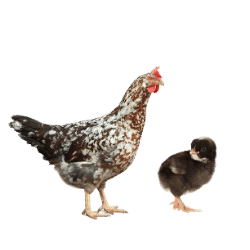
Chick (Hen)
A baby chicken is called a chick. Chicks break out of eggs after an incubation period and start pecking for food under the hen's protection.
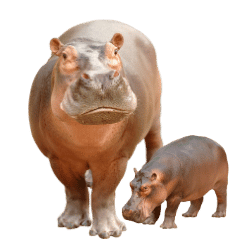
Calf (Hippopotamus)
A baby hippopotamus is called a calf. Hippo calves are often born underwater and must swim up to the surface immediately to take their first breath.
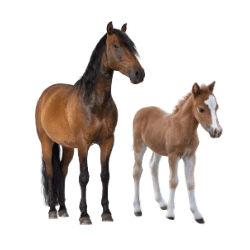
Foal (Horse)
A baby horse is called a foal. Foals have long legs relative to their body size and can run alongside the herd shortly after birth.
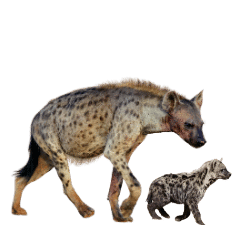
Cub (Hyena)
A baby hyena is called a cub. Hyena cubs are born in communal burrows where they are raised under the protection of the pack clan.
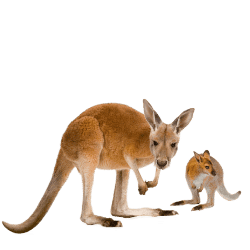
Joey (Kangaroo)
A baby kangaroo is called a joey. Joeys grow and complete their development inside their mother's protective pouch before venturing outside.
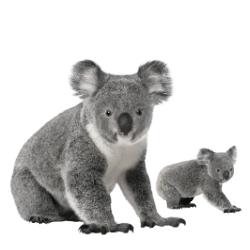
Joey (Koala)
A baby koala is called a joey. Like kangaroo joeys, koala joeys live inside their mother's pouch before riding on her back as they grow.
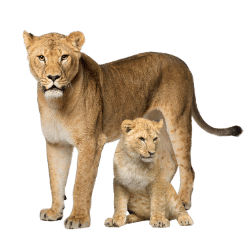
Cub (Lion)
A baby lion is called a cub. Lion cubs are born with faint spots that fade over time and learn hunting behavior through group play in the pride.
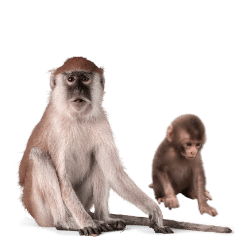
Infant (Monkey)
A baby monkey is called an infant. Monkey infants cling to their mothers' undersides for safety while climbing through forest canopies.
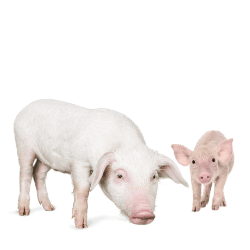
Piglet (Pig)
A baby pig is called a piglet. Piglets are highly intelligent young animals that communicate with distinct squeaks and grunts.
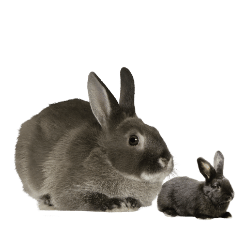
Kit (Rabbit)
A baby rabbit is called a kit (short for kitten). Kits are born hairless and hairless inside underground nests known as burrows.
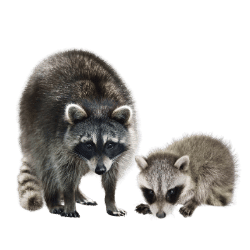
Kit (Raccoon)
A baby raccoon is called a kit. Raccoon kits remain in tree dens during early life and learn foraging skills from their mothers.
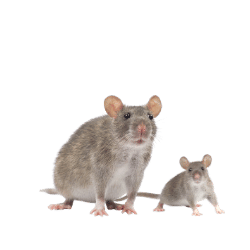
Pup (Rat)
A baby rat is called a pup. Rat pups grow rapidly and rely on their nest community for warmth and nourishment during their initial weeks.
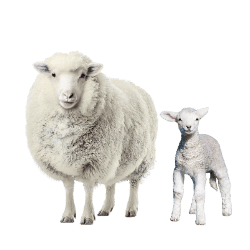
Lamb (Sheep)
A baby sheep is called a lamb. Lambs are recognizable by their soft, curly fleece and gentle vocal bleating.
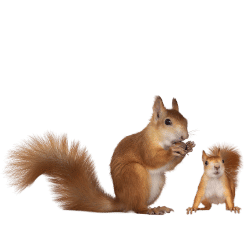
Kit (Squirrel)
A baby squirrel is called a kit (or pup). Squirrel kits live in leafy tree nests called drey nests until they are strong enough to climb.
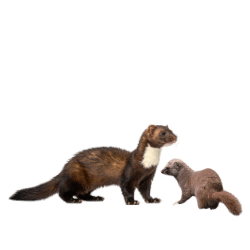
Kit (Weasel)
A baby weasel is called a kit. Weasel kits are slender, agile carnivores that quickly learn hunting techniques in dense vegetation.
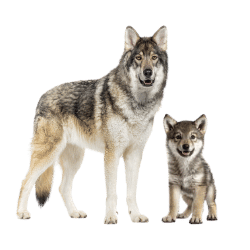
Pup (Wolf)
A baby wolf is called a pup. Wolf pups are raised cooperatively by all adult members of the wolf pack inside protective dens.
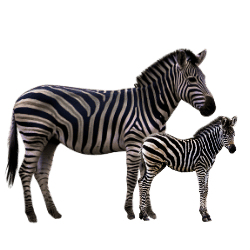
Foal (Zebra)
A baby zebra is called a foal. Zebra foals are born with reddish-brown stripes that gradually turn black as they mature.